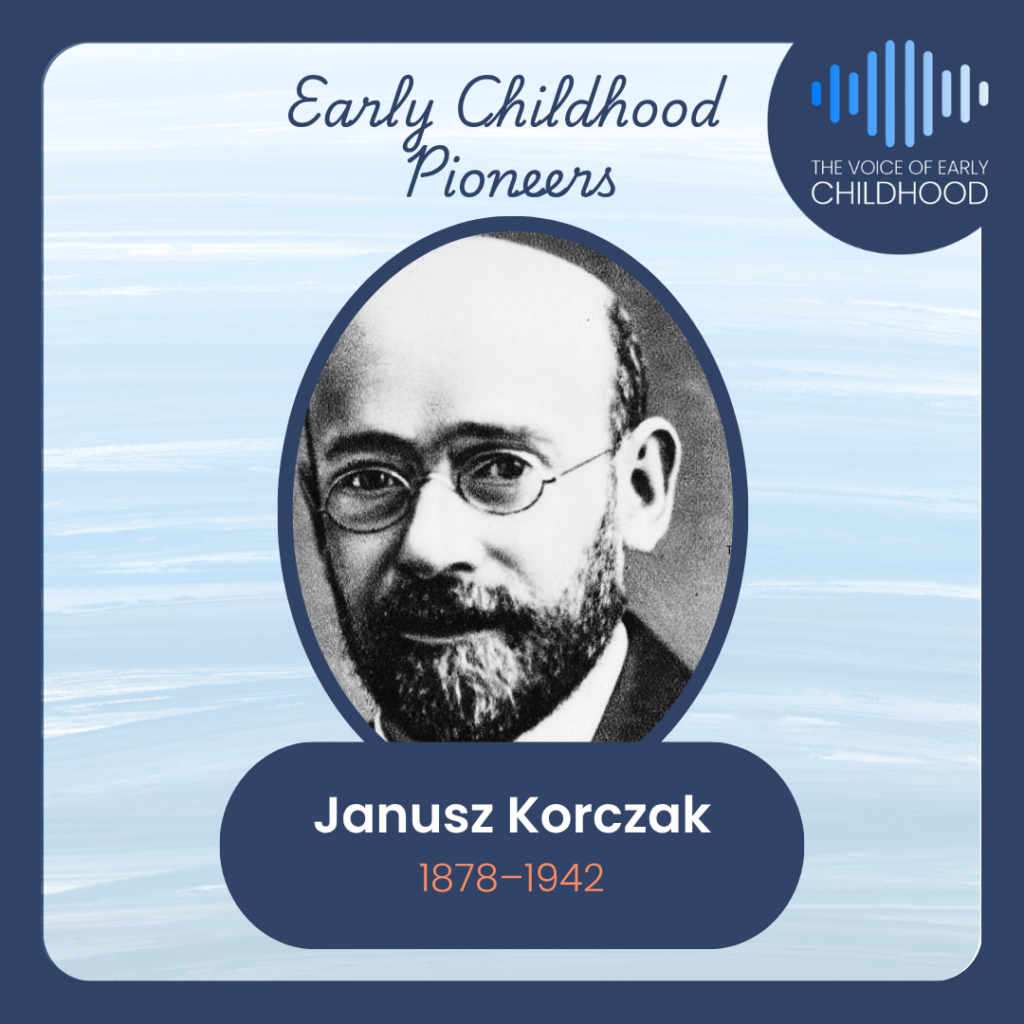
John Bowlby (1907–1990) was a British psychologist and psychiatrist, best known as the founder of attachment theory. His work has profoundly influenced our understanding of the importance of early relationships in child development. Bowlby’s research emphasised that the bonds children form with their primary caregivers have lasting impacts on their emotional wellbeing and social relationships (Bretherton, 1992).
Bowlby’s career was shaped by his experiences during childhood, his medical training at the University of Cambridge, and his time working with emotionally disturbed children. A key turning point came during World War II when he studied the effects of separation on evacuated children. These observations formed the basis for his seminal work, Attachment and Loss, which introduced the concept of attachment as an evolutionary mechanism for survival (Bowlby, 1969; Cassidy & Shaver, 2016).
Bowlby’s key ideas
Bowlby argued that attachment behaviours, such as crying, clinging, and following, are biologically programmed in humans to ensure survival. These behaviours help maintain proximity to a caregiver, who provides safety and emotional security.
According to Bowlby (1969), attachment develops in stages:
Pre-attachment (birth to six weeks): Infants engage in behaviours such as crying and gazing to attract caregivers.
Attachment in the making (six weeks to six months): Infants begin to recognise and prefer their primary caregivers.
Clear-cut attachment (six months to two years): Infants display separation anxiety and seek proximity to their caregiver.
Formation of a reciprocal relationship (two years and beyond): Toddlers develop greater independence but maintain a connection with their caregiver.
Central to Bowlby’s theory is the concept of the secure base, where a caregiver provides a foundation of safety, allowing a child to explore the world while returning to the caregiver for reassurance (Bowlby, 1988).
Bowlby’s collaboration with Mary Ainsworth
Bowlby’s ideas were further developed through his collaboration with Mary Ainsworth, a Canadian-American psychologist who conducted groundbreaking research into attachment patterns (Bretherton, 1992). Ainsworth’s ‘Strange Situation’ experiment provided empirical evidence for Bowlby’s theories, identifying attachment styles and emphasising the importance of sensitive caregiving in fostering secure attachments (Ainsworth et al., 1978).
The role of early relationships in Bowlby’s theory
One of Bowlby’s most significant contributions was his emphasis on the long-term effects of early relationships. He argued that a child’s first attachment relationship serves as an internal working model, influencing how they perceive themselves, others, and relationships throughout life (Bowlby, 1973). Bowlby also highlighted the potential risks of disruptions to attachment. His studies on maternal deprivation showed that prolonged separations from caregivers during critical periods could result in emotional and behavioural difficulties, a phenomenon he referred to as “affectionless psychopathy” (Bowlby, 1951). These findings were pivotal in shaping policies to reduce institutional care and support family-based approaches to childcare.
Linking theory to practice: Bowlby’s influence today
Bowlby’s work has had a lasting impact on early childhood education and care, and his research continues to inform early childhood practice, policy, and therapeutic interventions. His theory underpins many contemporary practices that emphasise the importance of relationships in children’s development. For example, the key person approach in early childhood settings mirrors Bowlby’s concept of a secure base, ensuring children build strong, trusting relationships with a designated educator (Elfer, Goldschmied & Selleck, 2012).
In terms of therapeutic interventions, attachment-based therapies, such as Circle of Security, focus on strengthening parent-child relationships by helping caregivers understand and respond to their child’s attachment needs (Hoffman et al., 2006).
Additionally, Bowlby’s work highlights the importance of continuity in care, advocating for systems that minimise disruptions to children’s relationships. His research laid the foundation for policies prioritising family-based care, early intervention programmes, and trauma-informed approaches in education (Cassidy & Shaver, 2016).
The lasting relevance of John Bowlby’s work
John Bowlby’s legacy lies in his profound insights into the importance of early relationships. His work challenges educators and caregivers to reflect on the role of attachment in shaping children’s development.
Key reflective questions include:
How do our daily practices support the development of secure attachments?
How do we create environments that promote secure attachments for children?
Are we responsive to each child’s emotional needs and signals?
Are we advocating for policies that prioritise relational care in early childhood settings?
How can we support families to strengthen attachment relationships at home?
How can we deepen our understanding of attachment to better support children and families?
Bowlby’s pioneering ideas continue to shape the early childhood profession, reminding us that nurturing relationships are at the heart of children’s wellbeing and lifelong development.
References
Ainsworth, M. D. S., Blehar, M. C., Waters, E., & Wall, S. (1978). Patterns of attachment: A psychological study of the Strange Situation. Hillsdale: Lawrence Erlbaum Associates.
Bowlby, J. (1951). Maternal care and mental health. Geneva: World Health Organization.
Bowlby, J. (1969). Attachment and Loss: Volume 1. Attachment. London: Hogarth Press.
Bowlby, J. (1973). Attachment and Loss: Volume 2. Separation: Anxiety and anger. London: Hogarth Press.
Bowlby, J. (1988). A secure base: Clinical applications of attachment theory. London: Routledge.
Bretherton, I. (1992). The origins of attachment theory: John Bowlby and Mary Ainsworth. Developmental Psychology, 28(5), 759–775.
Cassidy, J., & Shaver, P. R. (Eds.). (2016). Handbook of attachment: Theory, research, and clinical applications. 3rd edn. New York: Guilford Press.
Elfer, P., Goldschmied, E., & Selleck, D. (2012). Key persons in the early years: Building relationships for quality provision in early years settings. London: Routledge.
Hoffman, K. T., Marvin, R. S., Cooper, G., & Powell, B. (2006). Changing toddlers’ and preschoolers’ attachment classifications: The Circle of Security intervention. Journal of Consulting and Clinical Psychology, 74(6), 1017–1026.
Lecturer, podcast host and founder of The Voice of Early Childhood
Angelica is an early childhood advocate, lecturer and founder of The Voice of Early Childhood (TVOEC). Angelica is working on giving the early childhood sector a voice through TVOEC by encouraging shared reflection, dialogue, collaboration and healthy debate. Angelica’s areas of expertise are community building, networking, career progression and bridging the gap between academia and practice. She has worked in practice across various settings and in different roles, before moving into content creation aimed at enhancing training and development for both educators and parents across the globe. This has involved working in publishing, training, academia, events and resourcing learning environments.