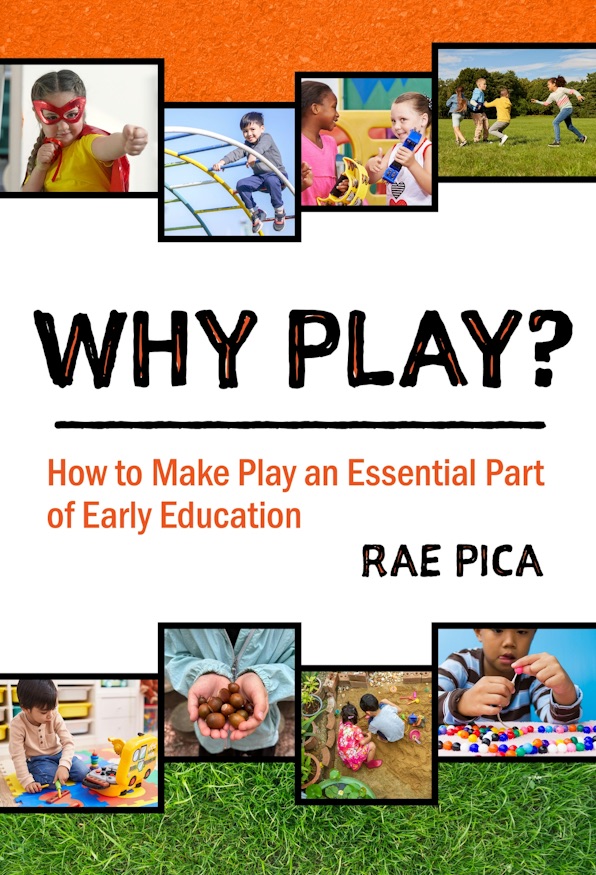
Play as the foundation
Play is the foundation of learning. It’s how children explore the world, test ideas, and build relationships. According to the American Academy of Pediatrics, play contributes to cognitive, physical, social, and emotional well-being—and is so essential that it’s recognized as a right of every child (Ginsburg et al., 2007).
Through play, children:
- Develop executive functioning and self-regulation (Li, 2024)
- Strengthen motor skills and coordination (National Institute for Play, 2018)
- Build empathy, cooperation, and conflict resolution skills (Ginsburg et al., 2007)
- Learn to navigate emotions and stress (Li, 2024)
Cognitive and emotional benefits
Play stimulates brain development by creating neural pathways that support memory, language, and problem-solving (National Institute for Play, 2018). Pretend play, in particular, enhances emotional regulation and impulse control—skills critical for academic and social success (Ginsburg et al., 2007).
Children immersed in free play experience:
- Joyful discovery and deep concentration
- Increased creativity and divergent thinking (Li, 2024)
- Emotional resilience through imaginative scenarios (Ginsburg et al., 2007)
Social play and relationship building
Play is a rehearsal for life. In social play, children learn to:
- Negotiate, compromise, and collaborate
- Create and follow rules
- Resolve conflicts and attend to others’ needs (Ginsburg et al., 2007)
These interactions foster empathy and prepare children for healthy relationships in school and beyond.
Physical play and movement
Physical play builds strength, agility, and balance. It also supports sensory integration and abstract thinking (National Institute for Play, 2018). Movement-based play—running, dancing, climbing—helps children manage energy, regulate emotions, and develop spatial awareness (Li, 2024).
For educators, integrating movement into learning environments enhances engagement, supports diverse learning styles, and brings concepts to life. Children are active, experiential learners who best learn from three-dimensional experiences (Ginsburg et al., 2007).
Protecting and promoting play: Considerations for educators and caregivers
If play is the foundation of learning, then the adults around children are its guardians. Educators and caregivers play a crucial role in protecting play from the growing pressures of formalisation, assessment, screen time, and tightly scheduled routines. This begins with recognising play not as a break from learning, but as the primary way in which children learn, relate, and make sense of their world (Ginsburg et al., 2007).
Safeguarding play means intentionally protecting unhurried time. When routines are packed with adult-led activities, there is little space for deep involvement, experimentation, or the kind of sustained shared thinking that emerges organically in play. Educators and caregivers can ask: Where in our day do children truly have control over what, how, and with whom they play? Making small adjustments—such as lengthening free-play periods or reducing transitions—can significantly strengthen children’s opportunities for meaningful play.
The physical and emotional environment also matters. Children need access to open-ended materials, spaces where noise and movement are welcomed, and adults who are present without dominating. Observing with curiosity, joining play as invited, and following children’s ideas help to preserve the intrinsic motivation and autonomy that make play so powerful for learning (Li, 2024).
Risk and safety must be held in balance. While children need protection from harm, they also need opportunities for manageable risk—climbing, negotiating, testing boundaries—to build confidence, judgement, and resilience (National Institute for Play, 2018). The key question becomes: Are we removing risk, or are we removing the opportunity for children to learn how to manage it?
Finally, educators and caregivers are advocates for play. Communicating with families about the learning that happens in play, documenting children’s play narratives, and challenging narrow notions of “school readiness” all help to ensure that play is valued, protected, and prioritised in homes, early childhood settings, and communities. By consciously defending time, space, and respect for play, adults uphold children’s right to learn in the way that comes most naturally to them.