Who gets to feel seen in stories?
Walk into almost any early childhood classroom in the UK and you will see shelves filled with colourful books. Stories about friendship, adventure, animals, families and feelings are everywhere. Books are often one of the first tools educators use to introduce children to the wider world. But there is a deeper question we do not always stop to ask: Who gets to feel seen in these stories?
For many children, books quietly affirm that they belong. They see families that look like theirs, celebrations that feel familiar, and characters who reflect their identity. For others, that experience can be very different. They may move through years of education rarely encountering characters who share their culture, faith, language or lived experiences.
Representation in children’s literature is not simply about visibility. It is about belonging.
Why representation in books matters
Children begin forming ideas about identity, difference and community from a very early age. Books play a powerful role in shaping those understandings. When children regularly encounter diverse identities, cultures and ways of life within stories, diversity becomes normalised. It becomes part of the everyday landscape of learning rather than something unusual or unfamiliar.
When representation is absent, however, a subtle message can emerge. Some children may begin to feel that their identities sit outside the stories that shape classroom life. My work creating sensory children’s books has been shaped by a belief that literature should reflect the real world. Society is beautifully diverse, and our classroom resources should mirror that reality.
Representation allows children to recognise themselves within learning. Just as importantly, it allows other children to develop familiarity, empathy and understanding towards identities different from their own. In this way, inclusive books benefit every child in the classroom.
A personal starting point
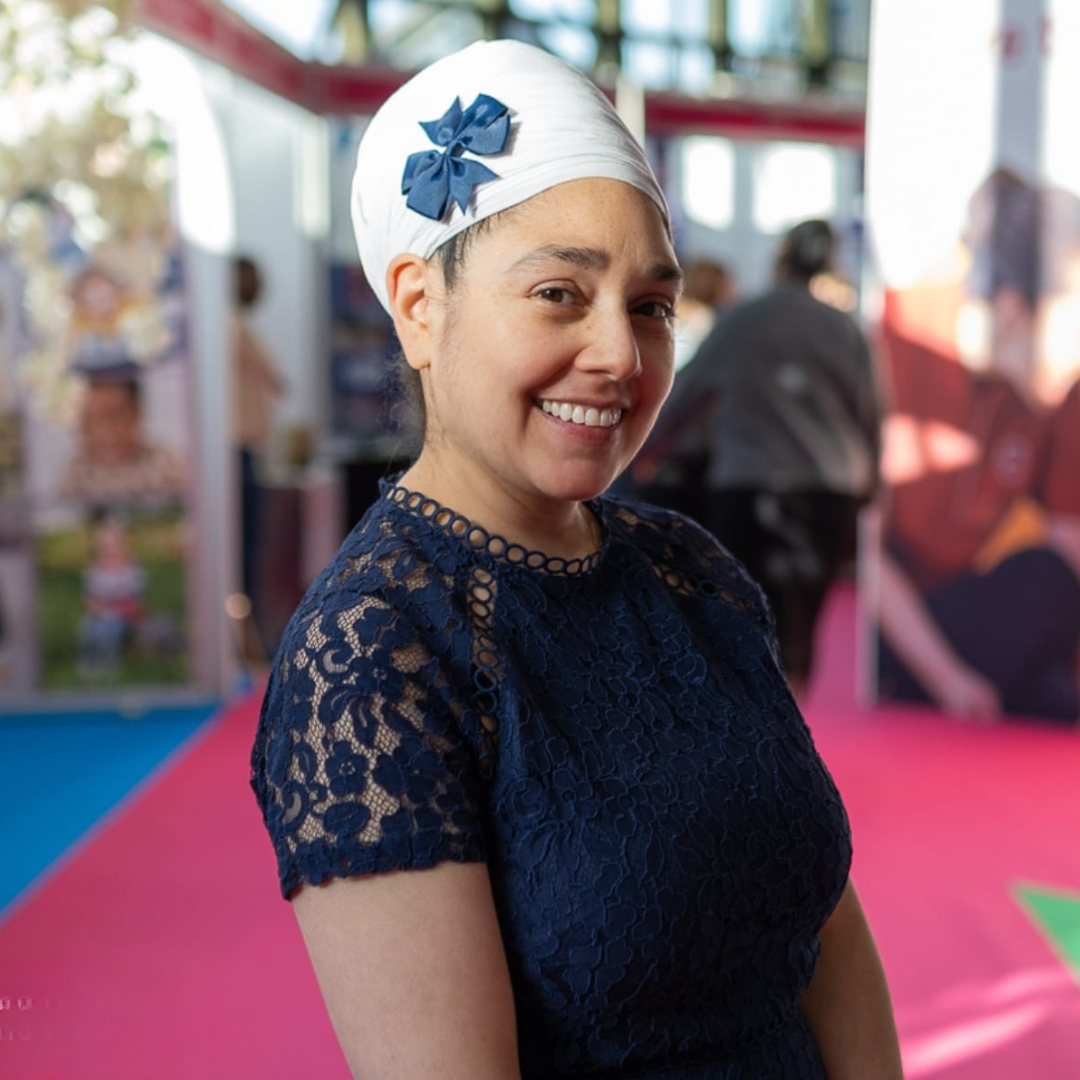
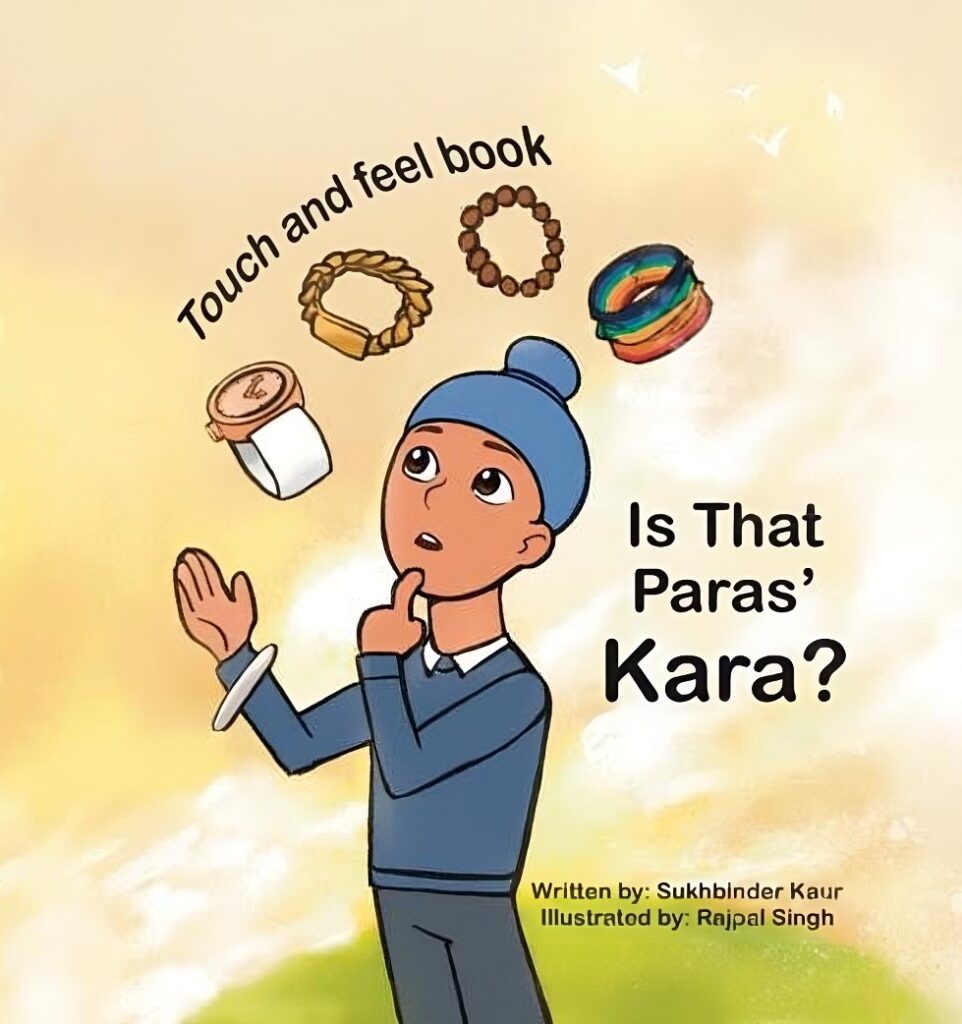
My motivation for creating culturally inclusive books is rooted in both professional experience and personal history. As a child growing up practising my Sikh faith, I experienced bullying in school because I wore a turban. It was repeatedly knocked off my head, and I was subjected to racist comments. These moments stayed with me long after childhood ended.
Those experiences shaped how I later understood representation. I know what it feels like to be singled out, misunderstood and made to feel like the ‘other’. Later in my career as a teacher and assistant head, I began to notice something striking within classroom resources: Sikh identities were rarely present in storybooks or educational materials. Yet Sikh children walk into classrooms every day. That gap raised an important question for me: If children never see themselves represented in the stories around them, what message does that send about who belongs? Creating books became one way of responding to that question.
Normalising, not explaining, difference
When we talk about cultural inclusion, resources are sometimes designed primarily to explain difference. However, one of the most powerful approaches in children’s literature is normalisation.
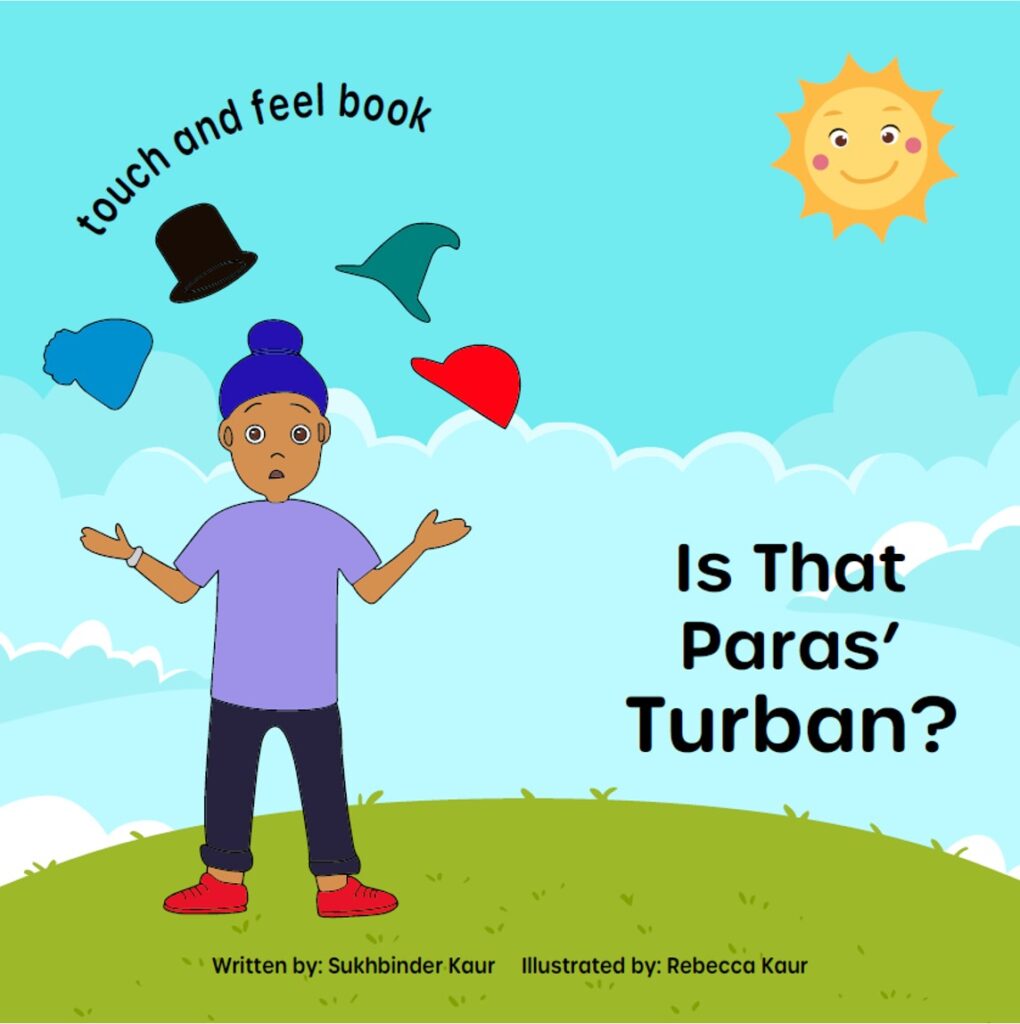
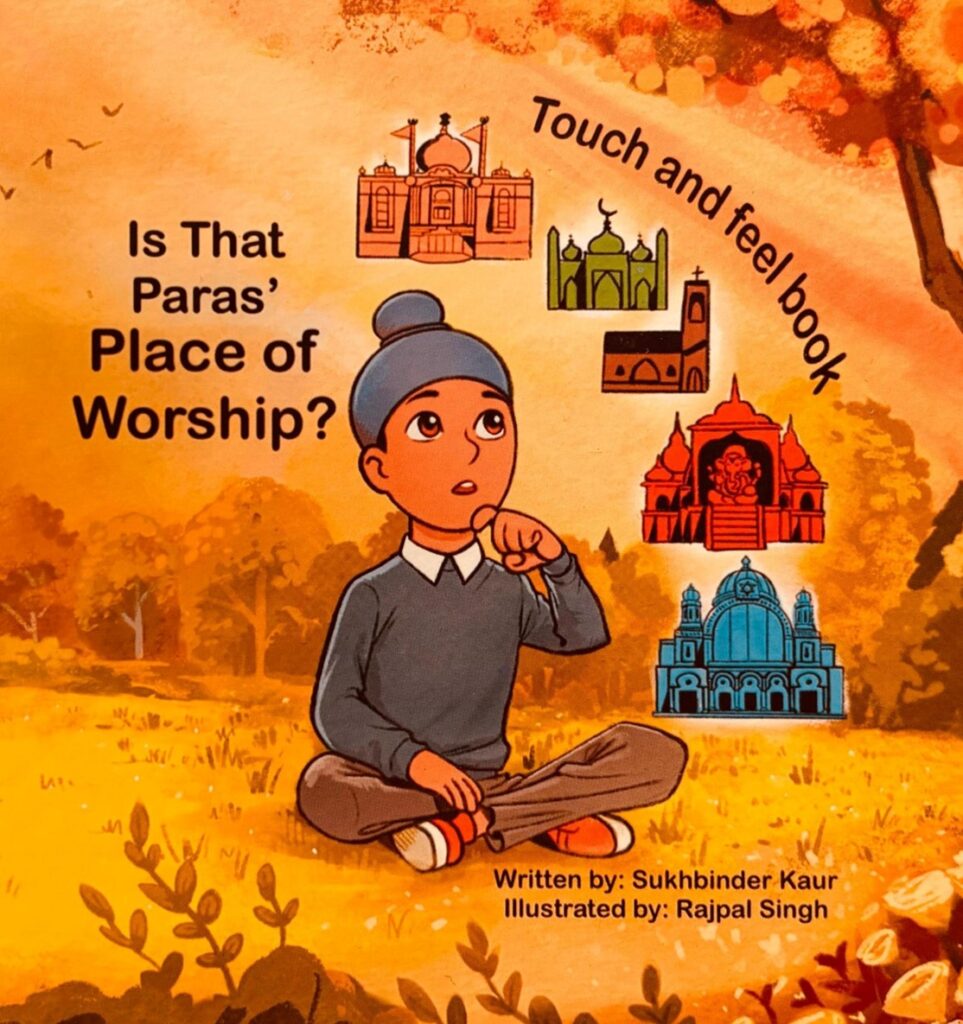
When turbans, patkas, cultural clothing, diverse families and different traditions appear naturally within stories, they simply become part of the world children encounter. They do not require lengthy explanation; they exist as everyday realities. Over time, this familiarity shapes how children understand one another. Children who regularly see diverse identities within books grow up recognising difference as something natural rather than something unusual. Representation then moves beyond visibility and begins to support a deeper sense of belonging.
Sensory storytelling and inclusive access
Another important consideration when creating inclusive resources is accessibility. Children experience stories in many different ways. Some are drawn to visual illustrations, others to movement, touch or sound. Neurodivergent children, in particular, may process stories differently from their peers. This is one reason sensory storytelling can be so powerful.
Touch-and-feel pages, textured materials and interactive elements allow children to engage with stories physically as well as visually. This multi-sensory approach can support engagement across a wide range of learning needs, making stories accessible from the earliest years through to older primary ages. In classrooms, sensory books can open conversations about identity, emotions and belonging in ways that feel playful, engaging and inclusive. Storytelling then becomes something children experience together, rather than something they simply listen to.
Bringing stories to life through immersive learning
Books are only one part of how children encounter stories. In many classrooms, learning becomes most meaningful when stories are brought to life through interaction. Immersive workshops, puppet shows and role-play can create opportunities for children to explore cultural identity through movement, imagination and dialogue. When children participate in storytelling, rather than simply observing it, the messages within stories can feel more real and memorable. Through puppetry, props and interactive storytelling, children can explore ideas about friendship, acceptance and difference in a safe and supportive environment. These approaches also align closely with how many early childhood settings already support learning: through play, exploration and collaborative discussion.
When inclusion is seen as ‘niche’
Despite growing awareness around representation, inclusive resources are sometimes still framed as niche or specialist materials. This is one of the persistent barriers within publishing and education.
Resources that centre minority cultures or identities can occasionally be treated as optional additions rather than essential elements of classroom learning. Yet inclusive resources are not only for children who share those identities. They are for everyone. When classroom materials reflect the full diversity of society, they prepare children to live within that society. They encourage empathy, curiosity and respect. In this sense, culturally inclusive books are not a niche resource. They are a universal one.
The role of educators and families
Creating inclusive classrooms is rarely the responsibility of one person alone. It grows through collaboration between educators, families and the wider early childhood community. Educators play a vital role in selecting books that reflect diverse identities and experiences. Families often bring valuable perspectives about culture, language and community life that can enrich classroom learning. When these partnerships work together, children encounter consistent messages about respect, inclusion and belonging both at home and within educational settings.
Looking forward: representation as everyday practice
Inclusive storytelling is not about a single book, display or themed week. It is about building representation into everyday classroom life. When children regularly encounter stories featuring different cultures, faiths, abilities and identities, they begin to understand that the world is made up of many experiences, and that each of those experiences matters.
The goal is simple but powerful:
Every child should be able to open a book and feel that they exist within the story.
When that happens, books become more than a learning resource. They become mirrors of identity and windows into the lives of others. Both are essential for building classrooms where every child feels seen.