Literacy

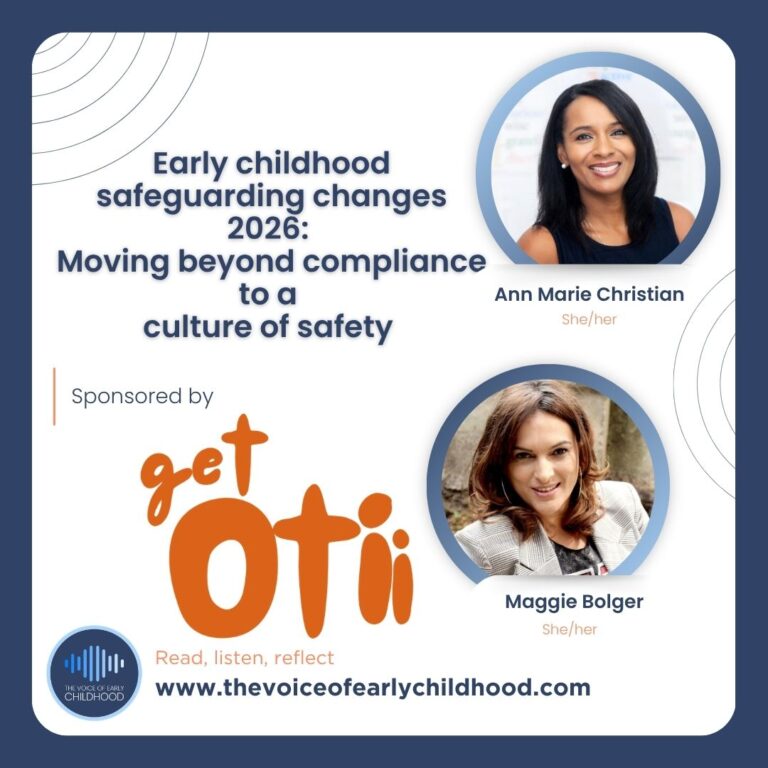
Maggie Bolger - Get Otti Ann Marie Christian Early childhood safeguarding changes 2026: Moving beyond compliance to a culture of safety EYFS Safeguarding 2026

Early childhood safeguarding changes 2026: Moving beyond compliance to a culture of safety

Maggie Bolger and Ann Marie Christian explore the changing safeguarding landscape in early childhood, including KCSIE, the EYFS, safer recruitment, reporting concerns and the September changes. They argue that stronger safeguarding is not simply about having the right policies in place, but about creating cultures where children, families and educators are heard, concerns are connected and everyone understands their responsibility for keeping children safe.
Read More
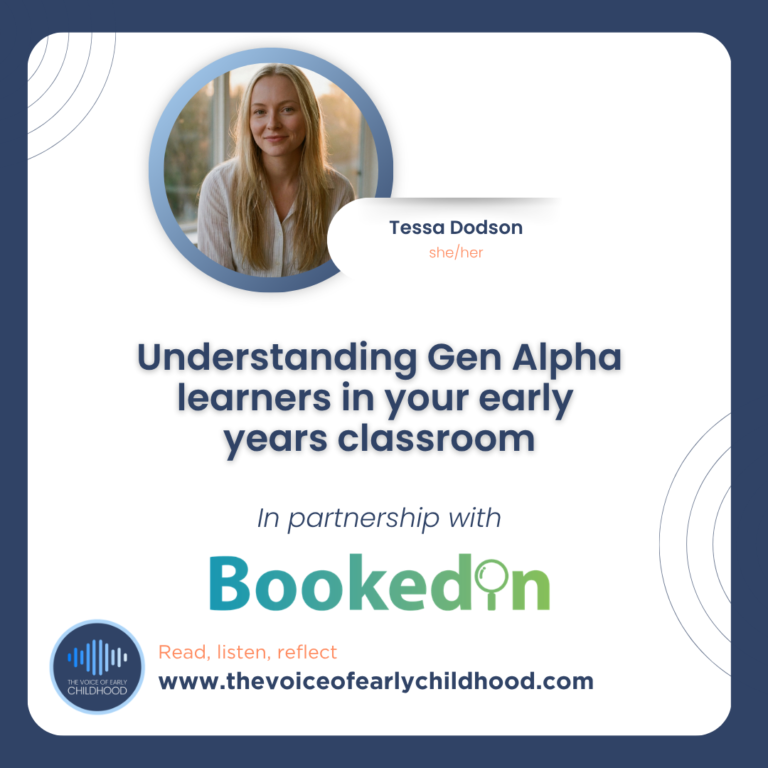
Understanding Gen Alpha learners in your early years classroom Tessa Dodson

Understanding Gen Alpha learners in your early years classroom

Generation Alpha children in today’s classrooms differ fundamentally from previous generations. Born entirely in the 21st century, this cohort has experienced unprecedented technological immersion from infancy. Understanding how their developmental environment influences preferences can help educators create more effective classroom experiences. These experiences balance digital fluency with essential human connection.

Read More
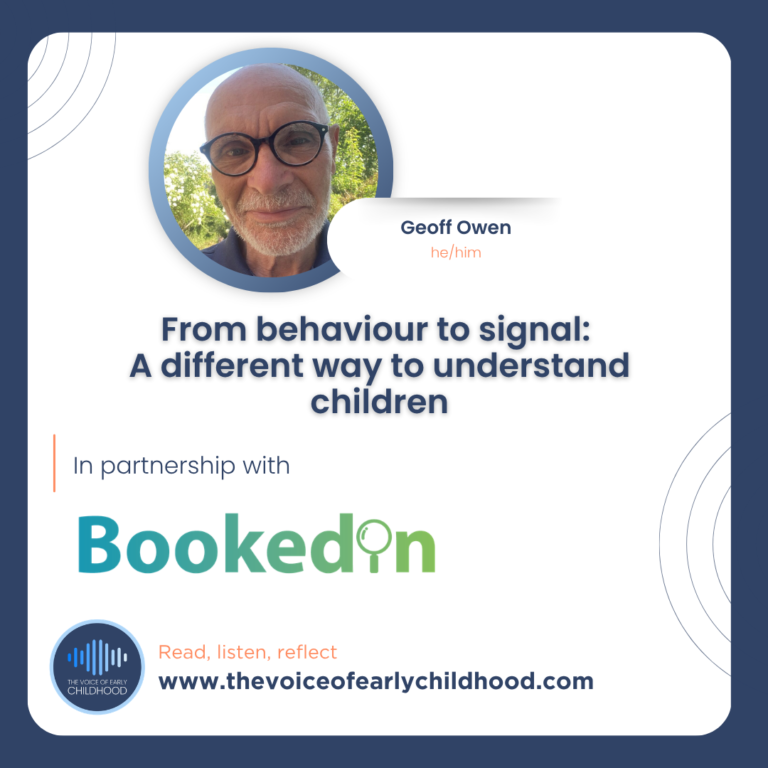
From behaviour to signal: A different way to understand children Geoff Owen

From behaviour to signal: A different way to understand children

Many childhood behaviours labelled as difficult, oppositional or defiant may make far more sense than we realise. This article and podcast episode explore a biological perspective on defiance, screens, difficult behaviour and why modern parenting has become so exhausting. We explore why children adapt when something important is missing from their experience, and how shifting our attention from behaviour to environment can transform how we understand children.

Read More
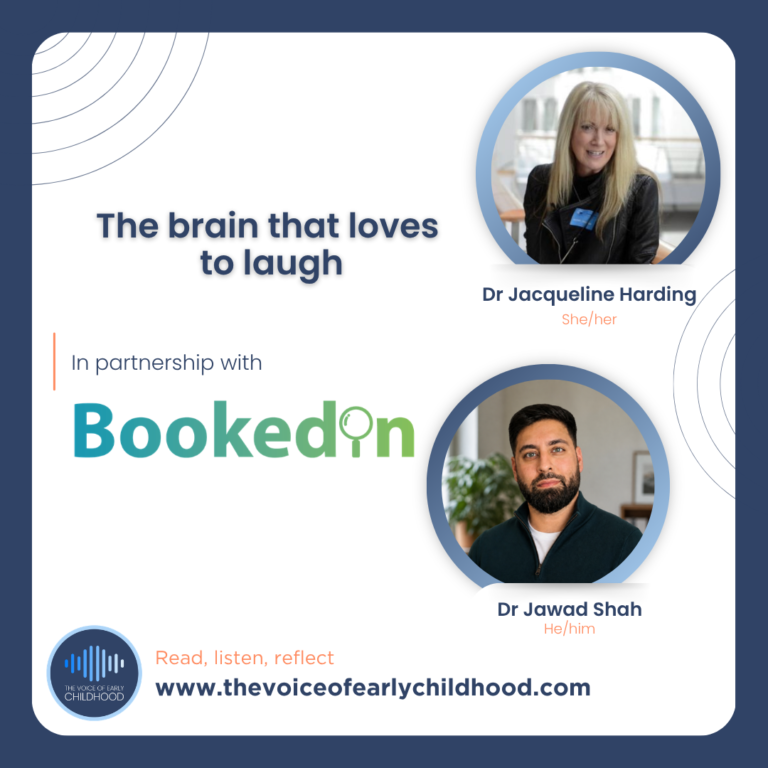
The Brain that Loves to Laugh Dr Jacqueline Harding Dr Jawad Shah

The brain that loves to laugh

Laughter is often treated as a pleasant extra, or even a distraction from learning. Drawing on their work across psychology, education, health and community contexts, Dr Jacqueline Harding and Dr Jawad Shah explore how shared laughter can support connection, curiosity, hope and resilience, while making space for children’s full emotional lives. What becomes possible when joy is taken seriously?

Read More
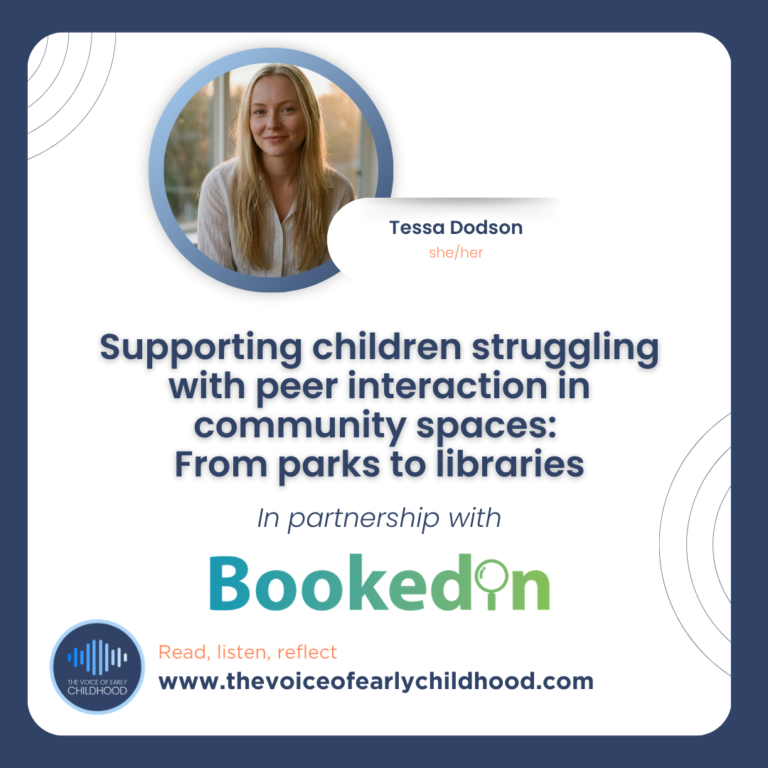
Supporting children struggling with peer interaction in community spaces: From parks to libraries Tessa Dodson

Supporting children struggling with peer interaction in community spaces: From parks to libraries

Social skills for children, such as sharing, active listening and resolving conflicts, flourish in diverse social settings. When children engage with peers beyond their daily routine in community spaces or public settings, they develop emotional intelligence and independence. Parents can further support these skills by offering gentle guidance and creating low-pressure opportunities for interaction.

Read More
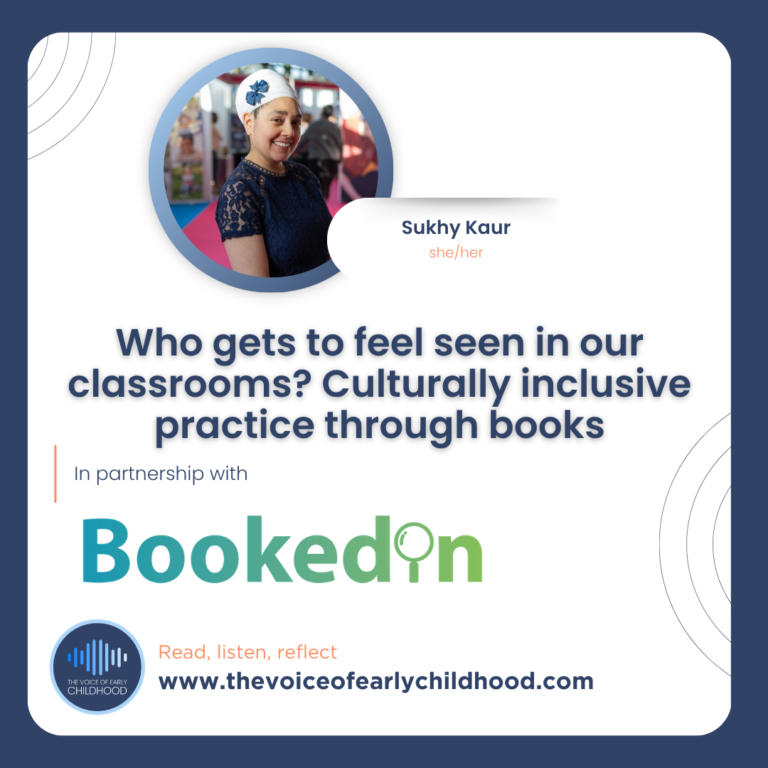
Who gets to feel seen in our classrooms? Culturally inclusive practice through books Sukhy Kaur

Who gets to feel seen in our classrooms? Culturally inclusive practice through books

How do books shape children’s sense of identity, belonging and understanding of others? In this podcast episode and article, we explore the importance of representation in children’s literature and why inclusive storytelling matters in early childhood education. Reflecting on personal experiences, this conversation considers how books can help children feel seen, valued and included. We also discuss the role of sensory storytelling, immersive learning and culturally inclusive resources in supporting empathy, accessibility and belonging for all children.

Read More
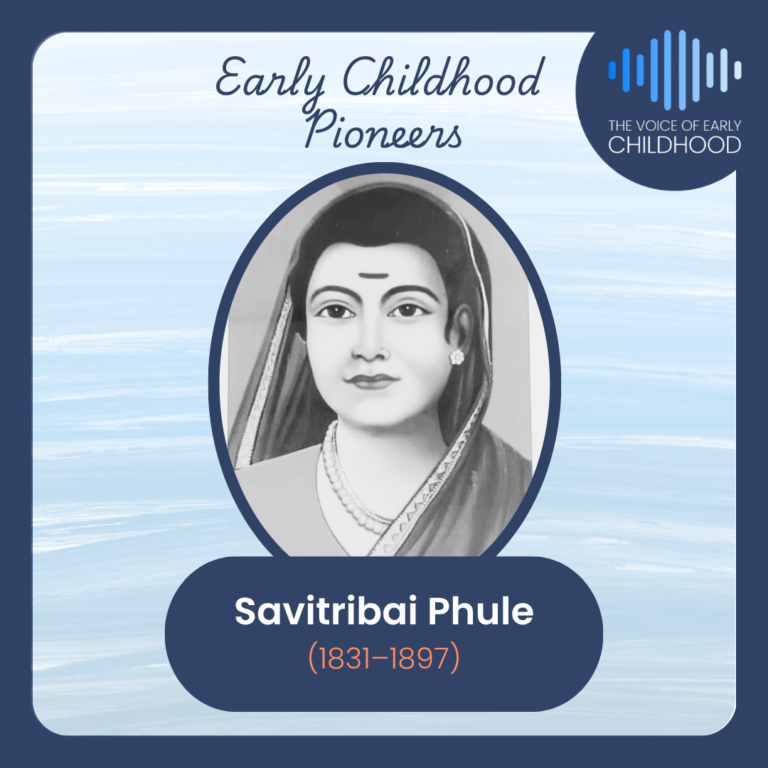
Savitribai Phule

An introduction to Savitribai Phule

Savitribai Phule (1831–1897) was an Indian educator, poet and social reformer from Maharashtra. Born into a Mali (farming) caste family, she became India’s first female teacher and co-founded the country’s first school for girls in 1848. Her work challenged caste, gender and the assumption that education belonged to some children and not others.

Read More
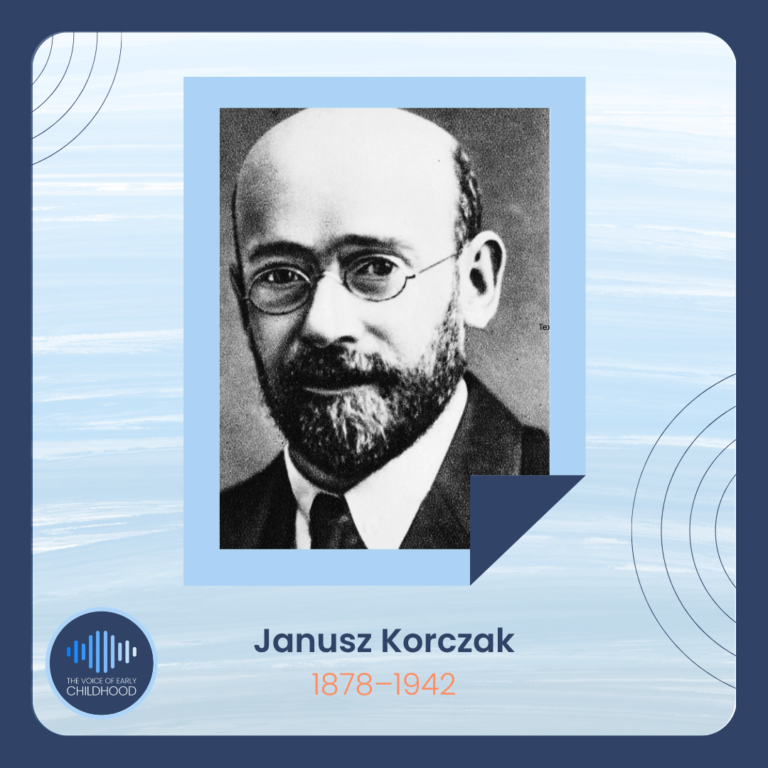
An introduction to Janusz Korczak - early childhood pioneer. Written by Lorraine Kara

An introduction to Janusz Korczak

Janusz Korczak was a Polish-Jewish educator, paediatrician, author and children’s rights advocate. Long before children’s rights became recognised internationally, Korczak argued that children should be treated with dignity, respect and fairness. His pioneering work helped shape many of the principles later reflected in the United Nations Convention on the Rights of the Child (UNCRC).

Read More