He wasn’t the only one
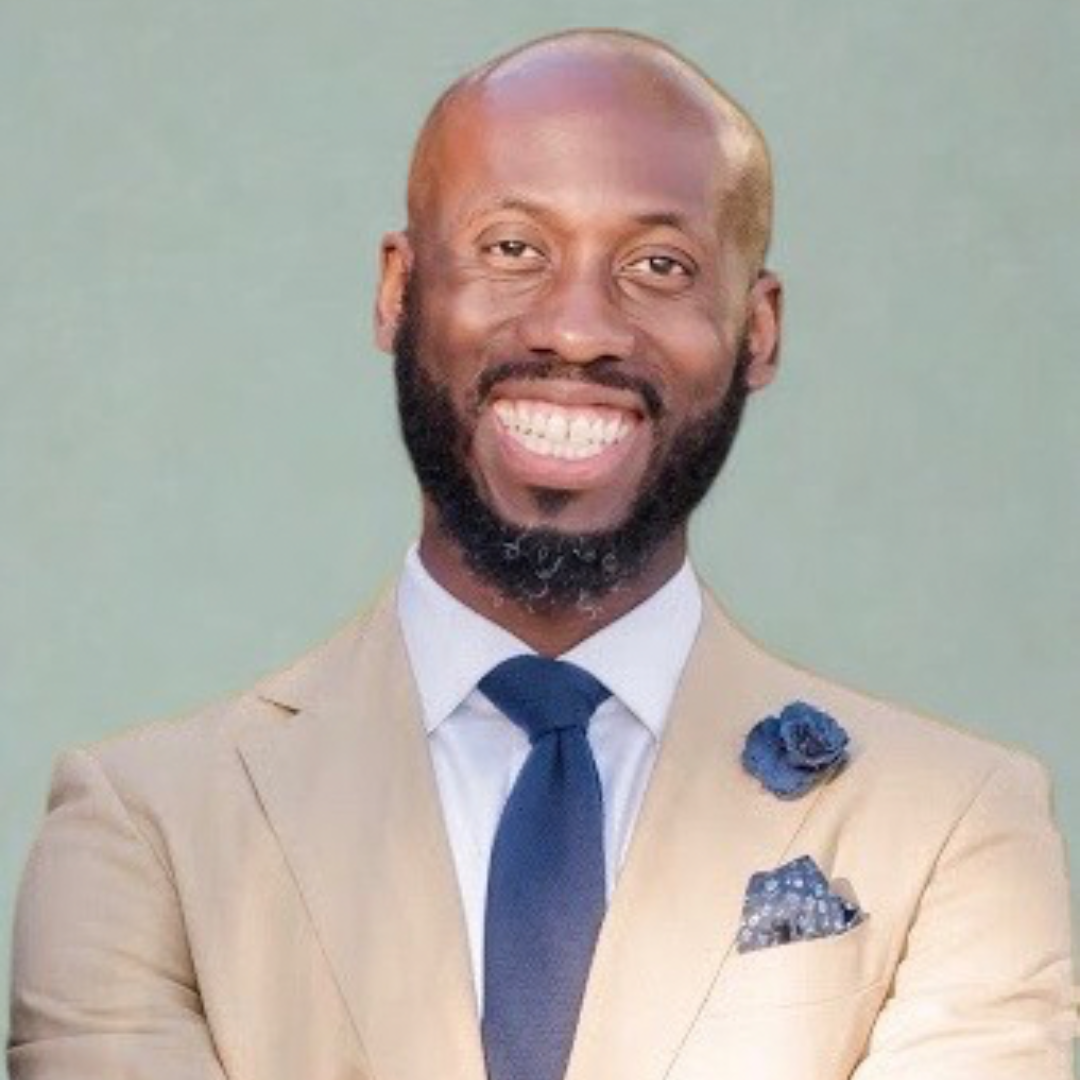
Thirteen years ago, somewhere in a school district in central New Jersey, a young man in his early-to-mid twenties was hired after being specially recruited; the school social worker said he had a talent for working with children. He was asked to work as a teacher assistant in classrooms serving children with multiple disabilities, the neurodiverse, and children with behavioural disorders. What he didn’t know was that he would be only one of three males in the entire school and the only person of colour. He also didn’t know that the very things that left him feeling isolated and lonely – being Black and a male – would become the connecting force between him and two boys of colour. This experience would become the foundation for his future work with young children and his advocacy for greater male presence in early childhood education. That young man was me. If I hadn’t been there doing that work, two young boys might never have had the opportunity to see themselves in the people around them.
Why mirrors matter
When we look in mirrors we see ourselves. When we go out into the world we look to see ourselves reflected in the spaces we choose, in the work we do, and in the people we surround ourselves with. The desire to be seen begins early in development. Small moments, for example babies and mothers during latching and feeding, or fathers during feeding and play, create mirroring moments (Endedijk et al., 2017). Mirror neurons are constantly at work between humans and are critical during the early years when children’s brains experience rapid growth and change. During these earliest years, children learn about who they are and who they can be from what they see (Endedijk et al., 2017). That is why the absence of men at the earliest stages of education can be detrimental to child development.
In early childhood settings, many children see only parts of themselves because the workforce is still dominated by women. That means some children are not given the opportunity to mirror the skills, traits, and characteristics that are often modelled by men. This isn’t surprising: our society has only recently begun to explore the variety that can exist in family roles. While women have made headway in fields like engineering, science, mathematics, and technology, men have not made the same progress in fields traditionally occupied by women. This is not an argument to elevate one group over another; it highlights a clear discrepancy and the need to pursue equitable practices that benefit children. It’s not about saying women aren’t doing enough, it’s about recognising that men aren’t receiving the same chances to be impactful.
Why are men reluctant to work in early childhood?
Let us consider some commonly known and silently accepted barriers. First, men who work in early childhood or show a predilection for working with young children are often questioned as paedophiles (McGowan, 2016). If it isn’t paedophilia, there are questions about a man’s sexuality (Laferla, 2024). How harmful is it for men to carry the weight of constant questions about their safety and sexuality? Second, men are boxed in by expectations about how they can interact with children: they’re expected to be disciplinarians, the playful friend, the activities director, the fixer, or the one to handle things that beep (McGowan, 2016). Third, men are often gatekept from the work, intentionally and unintentionally, because of the stigma and role-boxing described above. Men are less likely to be allowed to change diapers, support strong emotions in ways that feel natural to them, or be offered classroom teaching opportunities; they are often encouraged to pursue leadership roles that remove them from direct work with children.
These challenges are reinforced by messages from media, family, and society. Men are asked to quiet the class, lead play activities, pack the car instead of the diaper bag, or leave doors open so as not to send the “wrong” message to onlookers. Men receive less parental leave for newborns or are encouraged to keep working. Why would men pursue work in early childhood when they may face a constant sense of “othering” (McGowan, 2016) and subtle hints that they don’t belong?
How to attract men to early childhood and why it matters
The data supports the benefits of men in early childhood, and more research is needed to highlight how scarce male representation is (Zheng et al., 2026; Robison, St. George, & Freeman, 2021). As a father, infant and early childhood mental health consultant (IECMHC), and mental health professional with extensive experience in early childhood, I have firsthand experience with the joys of intentional male presence in these spaces. I’ve seen the excitement and synergy in a young boy when he saw my face – a face that looked like his, or could look like his in the future. Had I not engaged in this work, that young boy might have continued to walk the halls feeling alone in ways he could not articulate. Had I not prioritised elevating the voices of young boys of colour, particularly those labelled for social-emotional challenges, more boys would be seen only for their worst moments instead of their best. Greater male presence in early childhood supports stronger social-emotional skills, increased language development, and better academic outcomes.
We increase the number of men in the field by providing opportunities where they can see themselves mirrored in the work. The more we elevate the stories of men who choose this line of work – amplifying both the troughs and the triumphs – the more men can see themselves in the field. There is also a need for mentorship. Mentorship provides supportive spaces for men currently in the field and exposes young men and boys who might not otherwise consider the profession. We should give men opportunities to be more than the rigid roles that stereotypes afford them. Society has taken meaningful steps to accommodate the complexity of human identity, and the early childhood field should do the same. Through mentorship, men can see themselves as nurturing, emotionally available, playful, strong, and flexible caregivers.
Greater than 3: The mentor programme and the future
The Greater Than 3 mentor programme is a pilot created by me, Robert Harris, in the United States. The programme’s mission is to increase the percentage of men in the field, even by small increments, for the betterment of the early childhood workforce and the communities they serve. The program believes recruitment begins with exposure and mentorship. Those recruited are not obligated to pursue a career in early childhood, but mentees are regularly reminded of how important they are to the lives of young children and of their capacity to be nurturers. Each mentee is paired with a mentor who currently works in the field and is committed to creating a pathway toward greater male presence. While formalised, the programme also leaves room for any man currently working in early childhood who feels able to mentor. Each man can be the mirror for someone now and create a micro for someone in the future.