John Bowlby

John Bowlby (1907–1990) was a British psychologist and psychiatrist, best known as the founder of attachment theory. His work has profoundly influenced our understanding of the importance of early relationships in child development.

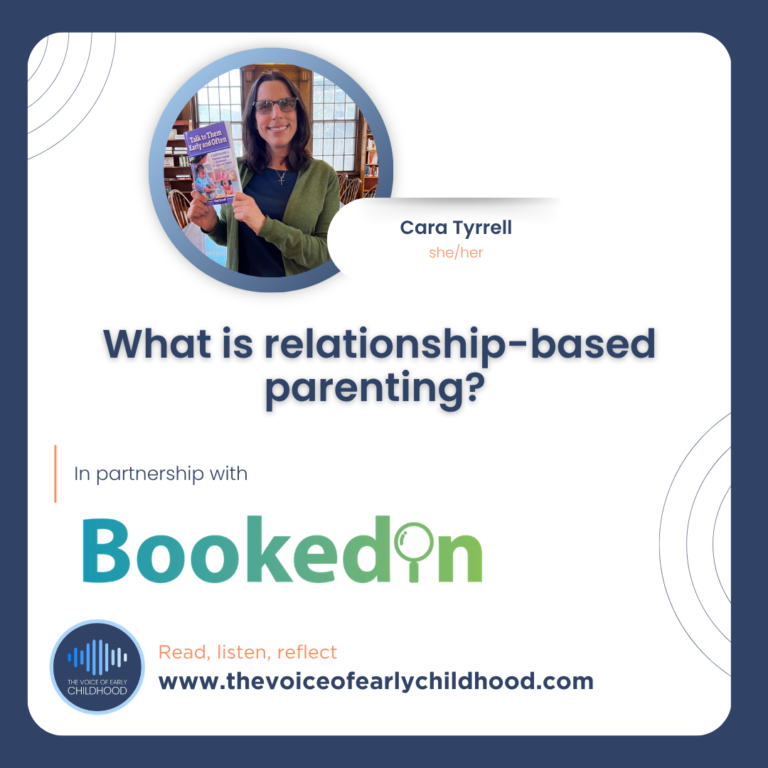
What is relationship-based parenting? Cara Tyrrell

What is relationship-based parenting?

Today’s parents and carers are shifting their hopes for children from outward success to inner security. This article and podcast episode explore how relationship-based parenting from birth, rooted in trust, respect, honesty, and communication, creates the emotional safety that allows children to thrive. When children feel seen, heard, and secure, happiness and success follow naturally.
Read More
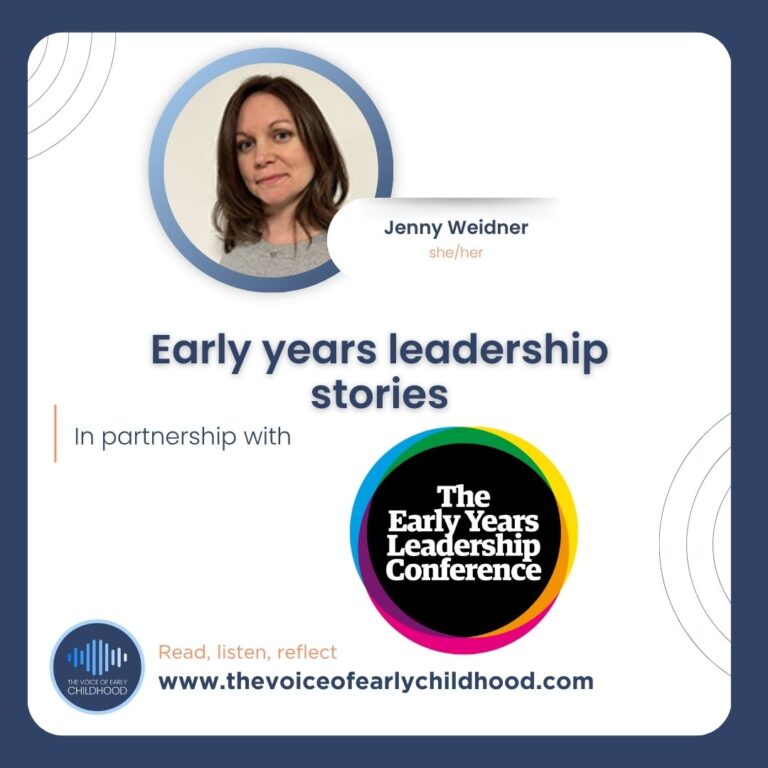
Jenny Weidner - Early years leadership stories

Early years leadership stories

The stories we carry shape how we lead, often without us realising. In early years, these narratives influence who we see as a leader and how we show up. This article and podcast episode explore how leadership stories are formed, the impact they have, and how shifting them can open up more intentional and inclusive ways of leading.

Read More
Carl Rogers

An introduction to Carl Rogers

Carl Rogers (1902–1987) was an American psychologist and one of the founders of humanistic psychology. Born in Illinois in 1902, Rogers championed the belief that every individual has the capacity for growth, healing, and self-direction. His person-centred approach revolutionised therapy, education, and care practices by placing empathy, authenticity, and unconditional positive regard at the heart of human relationships. Rogers’ work continues to shape early years pedagogy, wider education, reflective practice, and child-centred approaches (Rogers, 1951; Rogers, 1961).

Read More
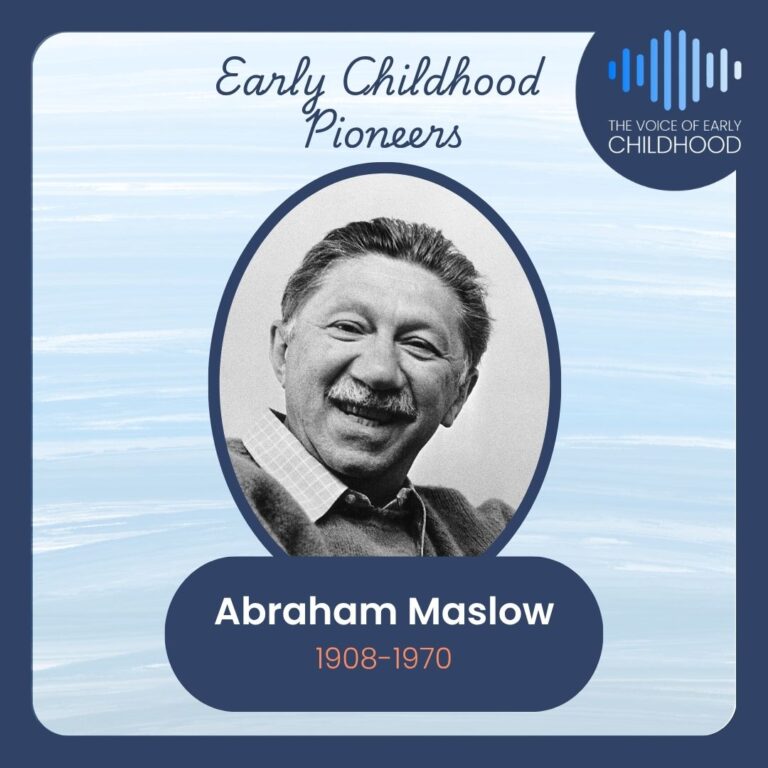
Abraham Maslow Hierarchy of Needs

An introduction to Abraham Maslow

Abraham Maslow (1908–1970) was an American psychologist best known for founding humanistic psychology and developing the hierarchy of needs. Born in Brooklyn, New York in 1908, Maslow focused on human motivation, growth, and potential, offering a more optimistic perspective compared to Freud and other behaviourists. His work remains central in education and psychology (Maslow, 1943; Maslow, 1954).

Read More
Dr Jools Page

An introduction to Dr Jools Page

Dr Jools Page is a senior lecturer in early years at the University of Brighton, previously working as a lecturer at the University of Sheffield. Having worked in many positions throughout the sector involving implementing policy into practice before her academic career, Jools has dedicated her working life to conducting research and developing practice for working with children and their families, aged birth to three.

Read More
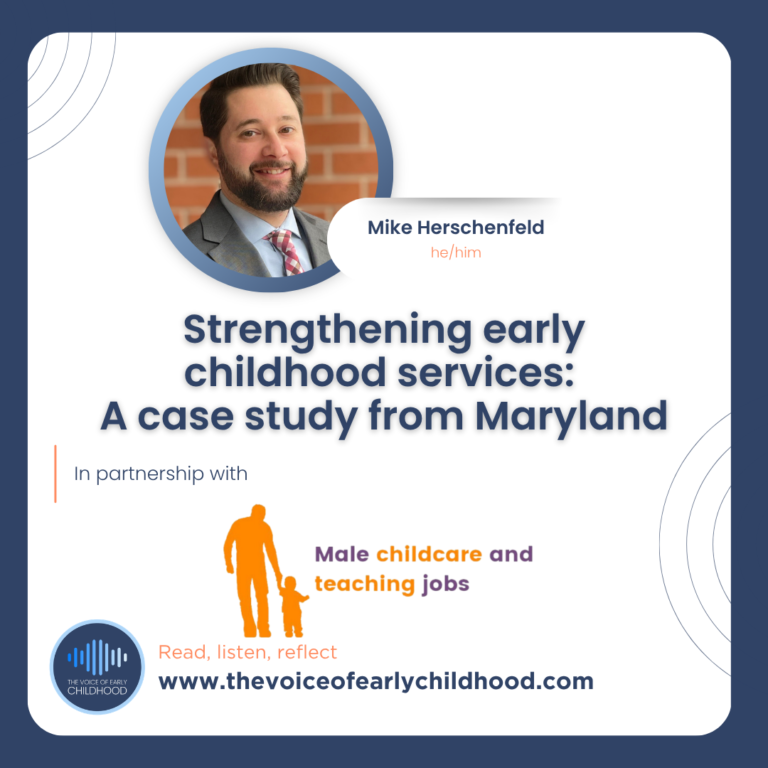
Strengthening early childhood services: A case study from Maryland Mike Herschenfeld

Strengthening early childhood services: A case study from Maryland

This article and podcast episode explore how integrated early childhood approaches can strengthen systems of support for children and families. Using Maryland Family Network as a case study, we reflect on key themes including access to childcare, family support, early intervention, and cross-sector collaboration, offering insights that educators and policymakers can adapt within diverse international contexts.

Read More
Dr Julian Grenier - Senior content and engagement manager (early years) – Education Endowment Foundation Using the early years pupil premium to strengthen practice and equity

Using the early years pupil premium to strengthen practice and equity

This article and podcast episode explore how the early years pupil premium (EYPP) can be used to strengthen practice and promote greater equity across the early childhood community. Drawing on research and professional experience, they reflect on why relationships with families matter, what evidence tells us about effective use of funding, and how a focus on high-quality provision can benefit all children—particularly those facing disadvantage. They also consider the importance of professional

judgement, teamwork and sustained approaches to improvement in creating meaningful and lasting impact.

Read More
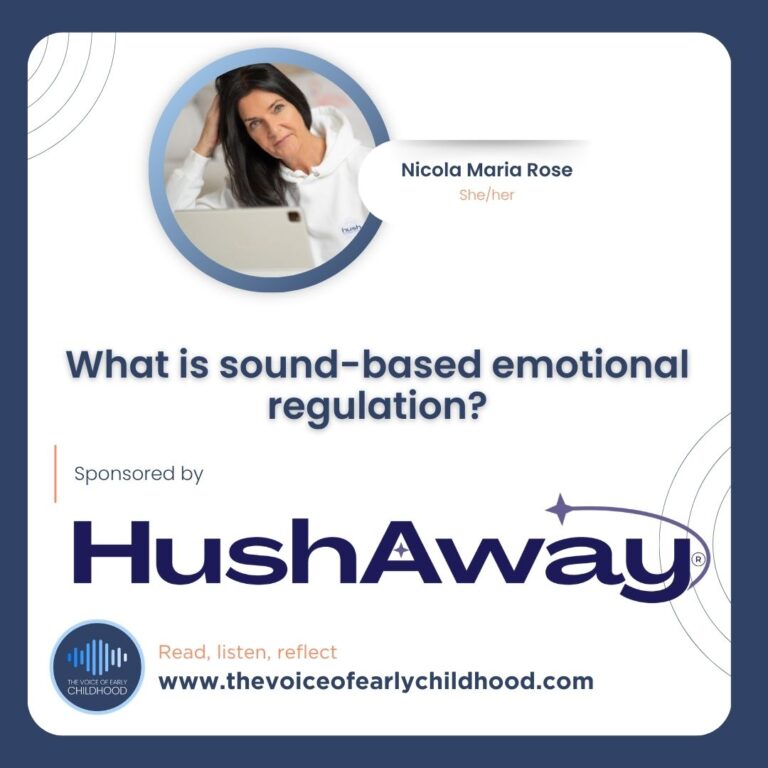
What is sound-based emotional regulation? HushAway Nicola Maria Rose

What is sound-based emotional regulation?

Sound based emotional regulation is an emerging approach which uses carefully designed auditory experiences including voice, rhythm and specific sound frequencies to help children regulate their nervous systems. This article and podcast episode explore the science behind sound-based emotional regulation, why it matters in early childhood, and how sound can support emotional wellbeing in a variety of developmentally appropriate ways.

Read More
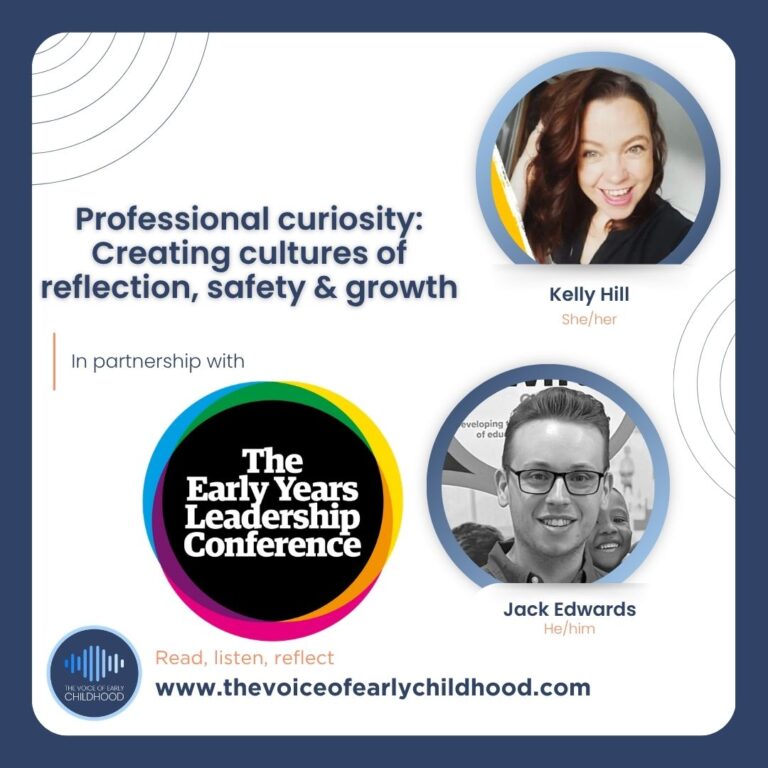
The Voice of Early Childhood Kelly Hill - The Early Years Leadership Company Jack Edwards - Swift

Professional curiosity: Creating cultures of reflection, safety and growth

Professional curiosity is often spoken about in early childhood practice, yet its meaning can remain abstract until it is grounded in everyday interactions with children, families and colleagues. This article and podcast episode explore what professional curiosity looks like in practice, why it matters, and how it can be nurtured within early childhood communities.

Read More